







Search Results for: Producing Regions & Varieties

Ethiopian Heirloom Coffee Flavor Analysis and Guide to Major Producing Regions
Ethiopia, as the birthplace of coffee, is home to numerous renowned regions and a vast genetic library of varieties. From the perspective of Front Street Coffee, this article systematically traces the origins of the heirloom variety concept, analyzes the flavor characteristics of representative regions such as Yirgacheffe, Sidamo, and Limu, and compares the impact of washed and natural processing methods on coffee flavor. It also introduces the regional background of well-known beans such as Huakui, helping coffee enthusiasts understand how to choose an Ethiopian coffee that suits their personal preferences. [more…]
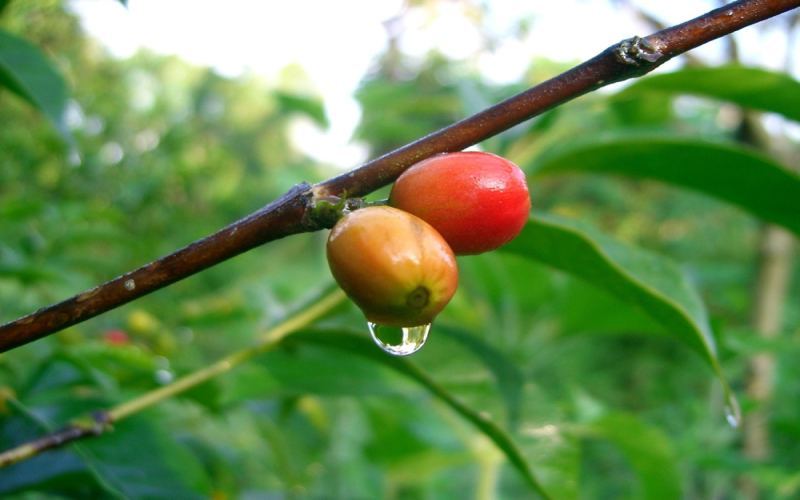
Kenya Coffee Full Analysis: From SL28 and SL34 Varieties to Six Major Regions and the K72 Washed Processing Method
Kenya is located in the equatorial zone of East Africa, bordering the Indian Ocean to the east, Ethiopia to the north, and Tanzania to the south, making it a pivotal specialty coffee-producing country in Africa. Its coffee is world-renowned for its bright fruit acidity, full body, and distinctive berry notes. This article systematically reviews Kenya's coffee-producing regions, variety evolution, and processing techniques, covering the characteristics of major varieties such as SL28, SL34, and Ruiru 11, detailing the terroir differences among six major producing regions including Nyeri and Kirinyaga, and introducing the Kenyan-style 72-hour washed processing method as well as Front Street Coffee's brewing recommendations, providing coffee enthusiasts with a complete knowledge map of Kenyan coffee. [more…]
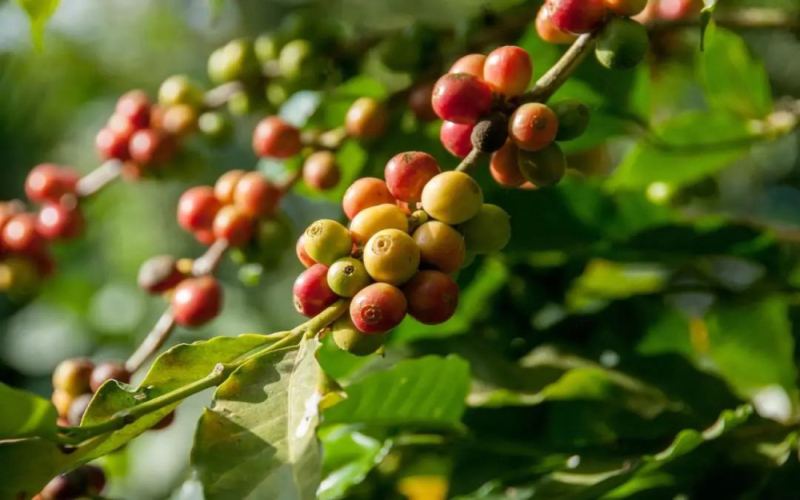
A Complete Analysis of the Main Arabica Coffee Producing Regions: Flavor Characteristics of the Three Major Regions and Introduction of Representative Bean Varieties
Arabica coffee accounts for more than seventy percent of global coffee production and has extremely strict requirements for its growing environment. Starting from the coffee belt on both sides of the equator, the three major producing regions of Latin America, Africa, and Asia-Pacific each nurture distinctly different coffee flavors. This article systematically sorts out the distribution of Arabica's main producing areas, introducing one by one the terroir conditions and cupping characteristics of representative producing areas such as Brazil Cerrado, Colombia Huila, Guatemala Huehuetenango, Costa Rica Tarrazu, Indonesia Sumatra, China Yunnan Baoshan, and Ethiopia Yirgacheffe, while also sharing the selection approach of the Front Street Coffee daily drinking bean series, helping coffee enthusiasts build a cognitive framework for the basic flavors of each producing area. [more…]
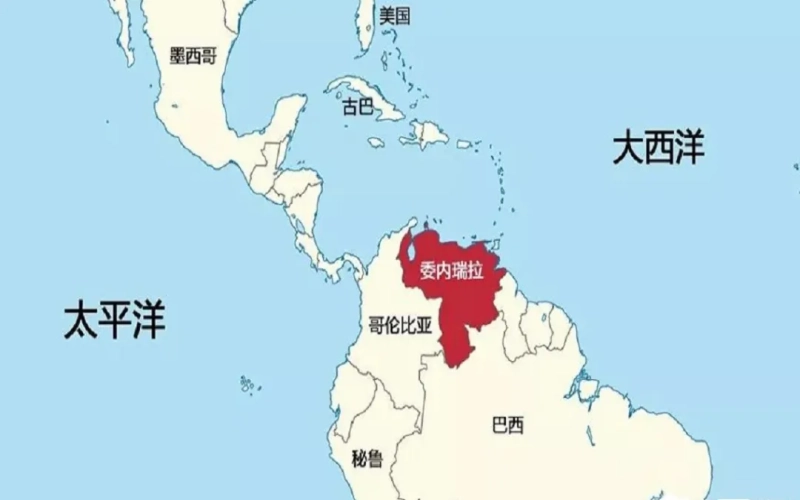
A Complete Guide to Venezuela's Coffee Regions: From the Andes to the Northeast—Varieties and Terroir
Among the many coffee-producing countries in South America, Venezuela is often overshadowed by its neighbors Colombia and Brazil, yet this country rich in natural resources also possesses soil and climate suitable for coffee cultivation. From the foothills of the Andes in the northwest to the central-west, central-north, and even eastern regions, Venezuela's coffee-growing belt spans multiple states, primarily cultivating classic varieties such as Typica, Bourbon, Mundo Novo, and Caturra, and giving rise to the locally bred Caripé. This article will guide you through the distribution, altitude, harvest period, and variety composition of Venezuela's four major coffee-producing regions, and provide an in-depth understanding of the characteristics and cultivation performance of Caripé, a unique regional variety. Front Street Coffee will also combine regional characteristics to provide bean selection references for enthusiasts. [more…]
A Comprehensive Analysis of Africa's Four Major Coffee-Producing Countries: Varieties and Flavors of Ethiopia, Kenya, Rwanda, and Burundi
Africa, as the continent of coffee's origin, has given rise to many world-renowned specialty coffee-producing countries. This article focuses on the four most representative African coffee-producing countries—Ethiopia, Kenya, Rwanda, and Burundi—and systematically reviews their geographical environments, variety characteristics, processing methods, and flavor profiles. Ethiopia's nine major producing regions each have their own distinctive features, from the jasmine aroma of Yirgacheffe to the mocha charm of Hara. Kenya is known for its SL varieties and bright acidity. Rwanda has achieved upgrading of its coffee industry under the promotion of the PEARL program. Burundi has emerged with its Cup of Excellence. Front Street Coffee provided professional information support for this article, hoping to help coffee enthusiasts gain a deeper understanding of the diversity of African coffee. [more…]

The Origin of Starbucks Kenya AA Elephant Packaging: A Full Analysis of Kenyan Coffee Regions, Varieties, and the K72 Processing Method
Kenyan coffee occupies an important position in the global specialty coffee landscape. Starbucks Kenya AA coffee beans feature an elephant as the packaging design, which naturally evokes the vast scenery of the African savanna. This article, compiled by Front Street Coffee (FrontStreet Coffee), provides a comprehensive analysis of the unique charm of Kenyan coffee, from its historical origins, geographical growing conditions, six major producing regions, four main variety characteristics, green bean grading system, to the K72 washed processing method. The article also specifically shares the roasting parameters and brewing suggestions for Front Street's Kenya Cherry Tomato coffee beans, helping coffee enthusiasts gain a deeper understanding of this African specialty bean with its cherry tomato acidity. [more…]
A Detailed Guide to Panamanian Coffee Varieties: Flavor Characteristics of Geisha and Catuai and an Overview of Three Major Producing Regions
Although Panama is a small country, it produces top-tier beans that captivate coffee lovers worldwide. This article systematically reviews the variety composition, growing conditions, and cupping performance of Panamanian coffee, with a focus on the two major varieties, Geisha and Catuai, and analyzes one by one the terroir characteristics of the three major producing regions: Boquete, Volcan Baru, and Renacimiento. Whether you are a novice just getting into specialty coffee or a seasoned enthusiast seeking origin information, you will find practical references here. Front Street Coffee will also combine cupping results to decode the classic flavor code of Panamanian coffee for you. [more…]

Arabica Coffee Bean Buying Guide: Variety Characteristics, Reasons for Higher Prices, and Analysis of Representative Global Producing Regions
Why has Arabica coffee bean become synonymous with specialty coffee, and why is its price consistently higher than Robusta? Starting from plant taxonomy, this article systematically reviews Arabica's flavor advantages and cultivation limitations, and one by one explains the varietal characteristics, processing methods, and grading standards of representative producing regions around the world such as Brazil, Colombia, Panama, and Ethiopia. The article also combines Front Street Coffee's store selection and recommended bean list to provide coffee enthusiasts with a reference that is both informative and practical. [more…]
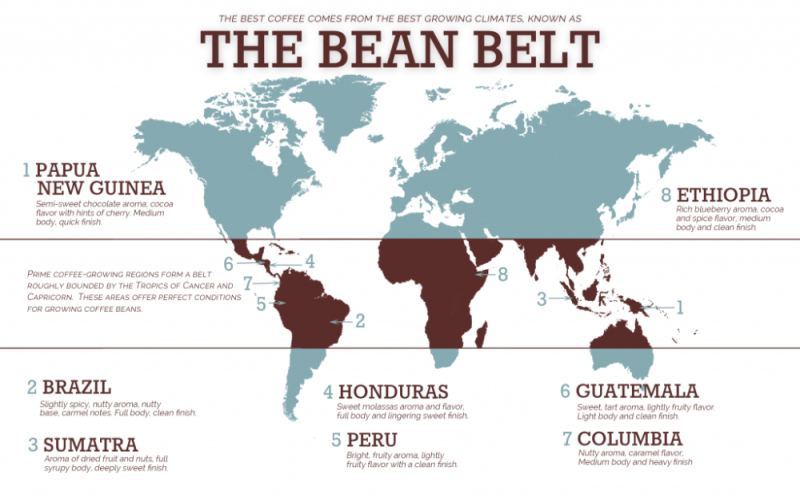
A Comprehensive Analysis of Arabica Coffee Beans: From Origins and Spread to Front Street Coffee's Seven Major Producing Regions' Daily Staple Bean Recommendations
Arabica coffee beans have always held a core position in both commercial and specialty coffee thanks to their outstanding aroma and acidity. Their cultivation span stretches across multiple producing regions in South America, Central America, Africa, and Asia. Tracing their history, they were first used as medicine by Islamic monks, and only in the 13th century did the practice of roasting them for drinking develop. After spreading to Europe via the Arab world in the 16th century, they gradually became popular worldwide. Arabica coffee began spreading around the world from the mid-18th century, and most existing varieties originate from Typica, evolving into distinctive new varieties as they adapted to different climates and terroirs. In the 19th century, a large-scale outbreak of leaf rust caused massive coffee tree deaths, prompting breeders in the mid-20th century to begin developing disease- and pest-resistant varieties. Today, the Arabica family has more than a hundred varieties. Altitude has a significant impact on flavor, and this article will also introduce seven daily-drinker beans from key producing regions selected by Front Street Coffee. [more…]
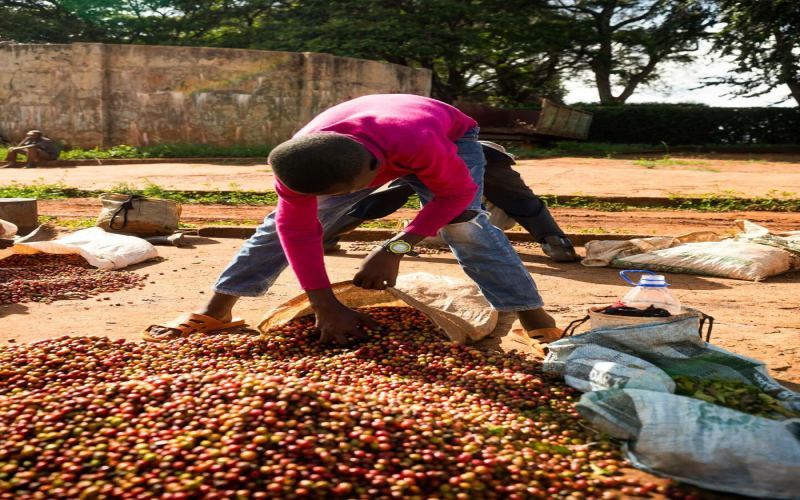
Kenyan Coffee Bean Flavor Code: A Detailed Guide to K72 Washed Processing, SL28/SL34 Varieties, and Acidity Differences Across Growing Regions
Kenyan coffee stands out in the specialty coffee world with its powerful, full-bodied acidity, forming a sharp contrast to the crisp brightness of Ethiopia. From the establishment of the cooperative union in 1931 to the K72 72-hour washed fermentation, from the selection and breeding of SL28 and SL34 to the fine grading of AA, AB, and others, Kenya has built a complete specialty coffee system. This article systematically reviews the historical development of Kenyan coffee, cultivation models, flavor differences among major producing regions, and variety characteristics, and includes roasting and brewing suggestions for Front Street Coffee's Kenyan Asaliya coffee beans, bringing you a comprehensive understanding of the unique charm of this African producing region. [more…]
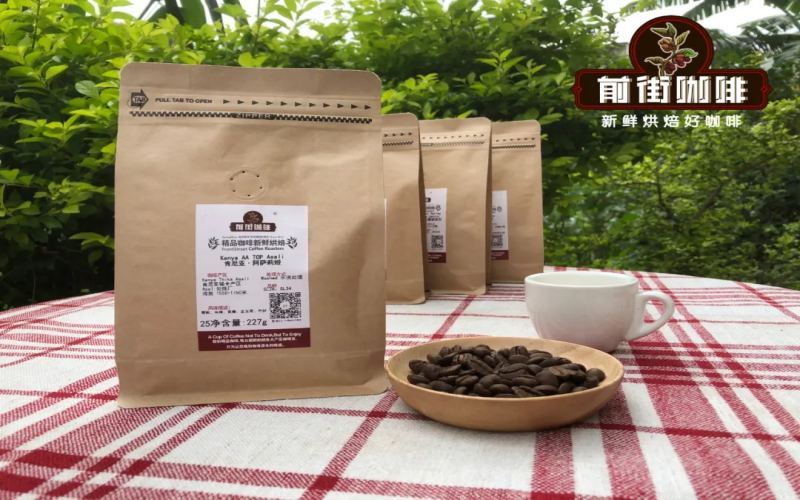
Kenyan Coffee Beans: A Complete Guide to the Flavor Profiles of Seven Major Regions, AA Grading, 72-Hour Washed Processing, and SL Varieties
Kenyan coffee has always been a favorite among acidity lovers, and in recent years it has shown a full berry-juice feel, dark plum acidity, and caramel sweetness. This article systematically reviews Kenya's coffee-growing geography and harvest seasons, the terroir characteristics and elevation ranges of seven well-known producing regions (Thika, Kirinyaga, the western side of Mount Kenya, Nyeri, Kiambu, Ruiru, and Murang'a), explains the AA grading system and the TOP/PLUS/FAQ cupping grades, details the world-famous K72-hour washed processing method, traces the breeding history and flavor differences of the two representative varieties SL28 and SL34, and includes Front Street Coffee's brewing parameters and technique suggestions, helping readers gain a comprehensive understanding of the unique charm of Kenyan coffee. [more…]
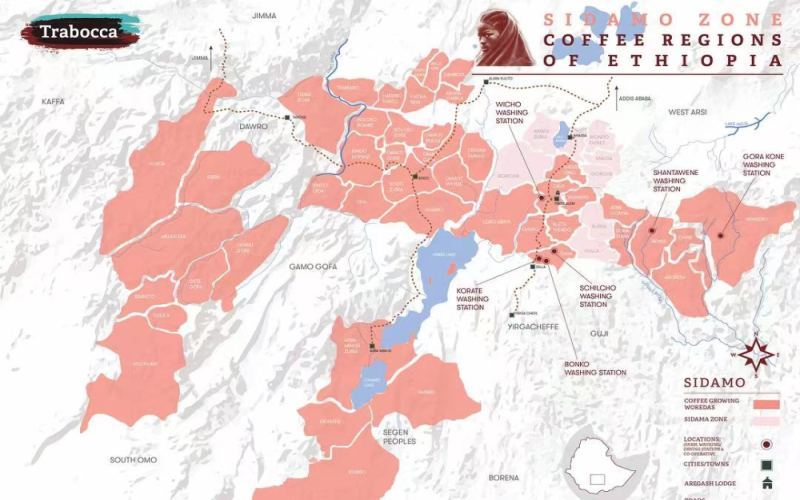
A Complete Analysis of Ethiopian Coffee Regions: The Flavor Code from Yirgacheffe to Sidamo Hambela
Ethiopia, as the birthplace of coffee, has given rise to countless fascinating coffee flavors. From the signature citrus-lemon acidity of Yirgacheffe to the stunning strawberry-cream notes of Sidamo Hambela, this land never fails to surprise coffee lovers. In this article, Front Street Coffee will systematically review the spread history, growing conditions, characteristics of the nine major regions, variety classification, grading standards, and the evolution of processing methods of Ethiopian coffee, and will take a deep dive into the process differences between the two major methods: washed and natural. Whether you favor bright fruit acidity or prefer fermented sweetness, you can find your ideal choice in this Ethiopian coffee guide. At the end of the article, there are also several Ethiopian coffee beans selected by Front Street Coffee to help you make a precise purchase. [more…]
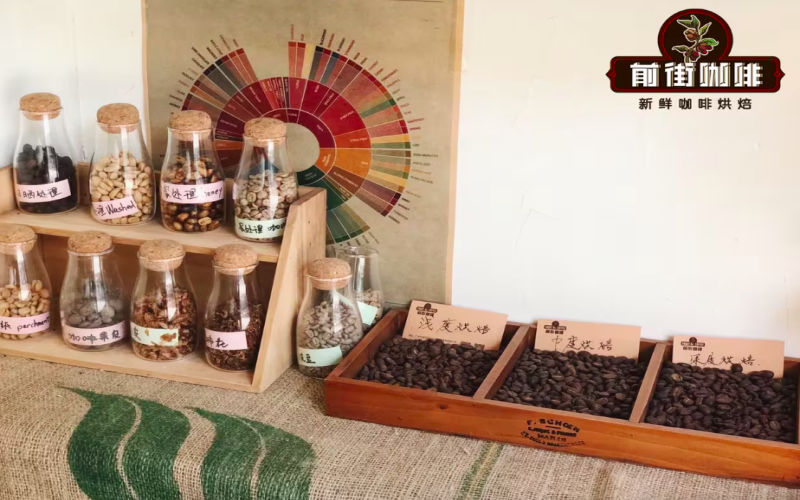
Venezuelan Coffee: From Rise and Fall to Revival, a Full Analysis of Producing Regions and Flavors
Venezuelan coffee has a long history. After being introduced in 1730, it once declined due to the rise of the oil industry, but in recent years it has gradually revived. This article sorts out its development trajectory, introduces in detail the altitude, varieties, and harvest periods of the four major producing regions—the west, the central-west, the central-north, and the east—and analyzes its mellow, light flavor profile with relatively low acidity. It also mentions Front Street Coffee's attention to the producing regions, providing coffee enthusiasts with comprehensive understanding. [more…]

Honduran Coffee Bean Varieties, Characteristics, and Industry Story: An Analysis of Six Major Growing Regions and Barrel-Fermented Flavors
Honduras is a mountainous country in Central America, located within the coffee-growing belt, and since 2011 its coffee production has leapt to first place in Central America. This article reviews the cultivation history of Honduran coffee, the terroir characteristics and main varieties of its six major producing regions, and focuses on the characteristics, processing flow, and brewing suggestions for Front Street Coffee's Honduran Sherry and Litchi Orchid, two barrel-fermented beans. Whether you want to understand the context of Honduras's coffee industry or want to grasp the flavor differences brought by whiskey-barrel and brandy-barrel fermentation, this article can provide clear information. [more…]

A Comprehensive Analysis of the Flavor Characteristics and Representative Bean Varieties of the Three Major Coffee Regions: Africa, Latin America, and Asia
Coffee cultivation cannot be separated from suitable climate conditions, and the "Golden Belt" located between 25° north and south latitudes is precisely the ideal region for coffee growth. Currently, 79 countries and regions around the world are engaged in coffee cultivation and production, and the terroir conditions of different producing areas create distinctive coffee flavors. This article introduces the flavor characteristics and representative bean varieties of coffee-producing countries in the three major producing regions of Africa, Latin America, and Asia, including the floral aroma and fruity acidity of Ethiopia, the intense berry notes of Kenya, the balanced richness of Colombia, the nutty smoothness of Brazil, as well as the herbal intensity of Indonesian Mandheling and the mild balance of Yunnan small beans, helping coffee enthusiasts establish a systematic framework for understanding producing regions. [more…]
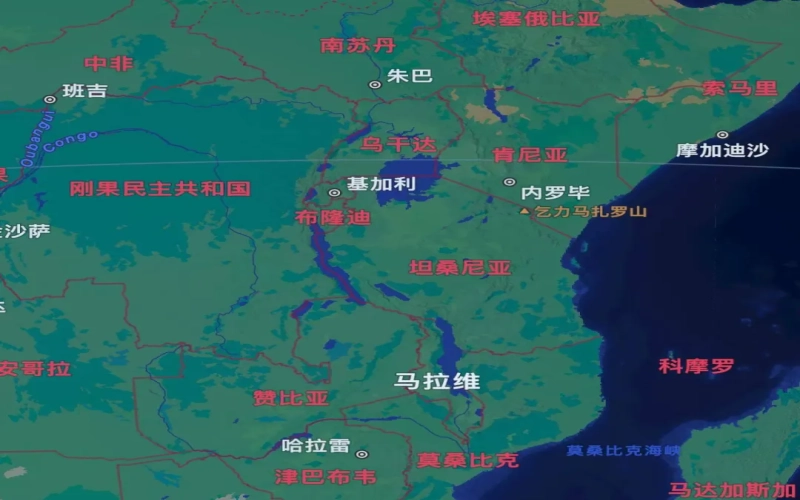
A Comprehensive Analysis of Coffee Producing Regions and Varieties in Malawi, a Landlocked Country in Southeast Africa
African coffee enjoys a stellar reputation in the global market, with Ethiopia recognized as its place of origin, while Malawi is likewise a producing country that cannot be overlooked. This landlocked nation in southeastern Africa, bordered by Tanzania, Mozambique, and Zambia, takes its name from Lake Malawi, the third-largest lake in Africa. Malawi has complex terrain, with the East African Rift running through the entire country; its tropical savanna climate, combined with abundant rainfall and diverse soils, provides ideal conditions for coffee cultivation. This article will guide you through Malawi's coffee-growing landscape, focusing on two well-known producing regions—the Misuku Hills and the Nkhata Bay Highlands—as well as major varieties such as Agaro, Geisha, Bourbon, and Catimor, and will also explain the operating model of smallholder cooperatives. [more…]

Why Are Coffee Varieties in Producing Regions Relatively Fixed? The Spread and Selection Logic from Typica and Bourbon to Geisha
When selecting coffee beans, the packaging often indicates information such as origin, variety, altitude, and processing method. Attentive enthusiasts will notice that certain origins seem always tied to specific varieties: Ethiopia commonly has heirloom varieties, Brazil is dominated by Bourbon, Jamaican Blue Mountain is almost entirely Typica, and Panama mostly has Geisha. This "origin-variety" correspondence is no accident, but the result of the combined effects of variety dissemination history, environmental adaptability, disease impact, and market trends. This article will trace along the timeline how Typica, Bourbon, and Geisha entered various producing regions, and explain why they have been able to remain dominant for so long, while retaining Front Street brand recommendations and product information to help readers understand the ins and outs of the flavors in the cup. [more…]
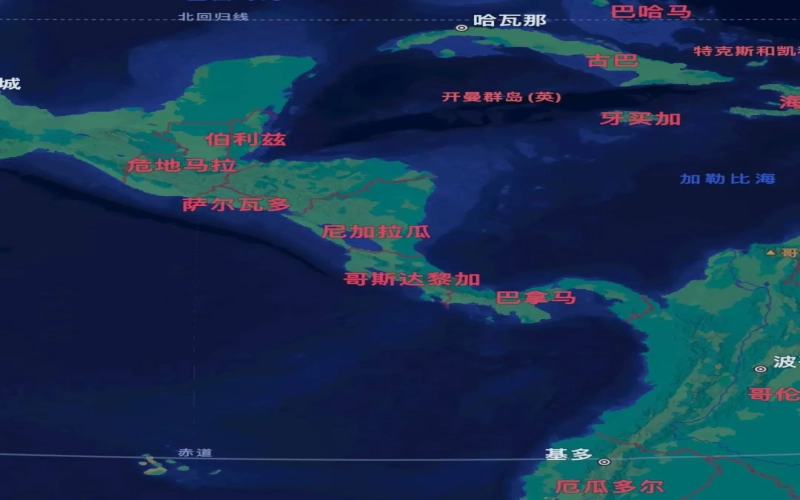
A Complete Guide to Nicaraguan Coffee: Terroir Conditions, Cultivated Varieties, and Grading Systems of the Three Major Regions
Located in the central part of Central America, Nicaragua may not be as famous as Panama or Costa Rica, yet it possesses coffee-growing terroir that is in no way inferior. The country's north-central highlands, eastern coastal plains, and western coastal lowlands form diverse microclimates, nurturing three core producing regions: Jinotega, Matagalpa, and Nueva Segovia, with Caturra and Bourbon as the main cultivated varieties. This article will systematically outline Nicaragua's geographical and climatic characteristics, the elevation and harvest details of each producing region, and introduce its coffee grading system, helping coffee enthusiasts gain a comprehensive understanding of the coffee landscape of this promising Central American origin country. [more…]
Analysis of Coffee Varieties in Panama's Producing Regions: Flavor Characteristics of the Boquete Region and the Legend of Geisha
Although Panama is a small country, it occupies a pivotal position in the world of specialty coffee. Its coffee cultivation is mainly Arabica, concentrated in producing regions such as Boquete in the highlands of Chiriquí. Thanks to its unique microclimate, it has produced the Geisha variety with floral and citrus notes, which has repeatedly won international awards. This article will systematically sort out the variety composition, production data, altitude distribution, and harvest cycle of Panamanian coffee, and provide an in-depth analysis of the past and present of Geisha. At the same time, Front Street Coffee will also combine the characteristics of the producing regions to recommend product directions worthy of attention for enthusiasts. [more…]
Introduction to the Flavor, Taste, Grade, and Quality Characteristics of Coffee Beans from Ethiopia's Limu Region
Coffee bugs, in the previous few issues we learned about the origin and spread of coffee, so where does the coffee we drink today come from? Next, follow Little One to explore coffee-producing regions around the world~ Currently there are 53 major coffee-producing regions globally, all distributed within the Coffee Belt 『25°N~30°S』. Based on the spread timeline of specialty coffee and the flavors of the origins, we can roughly group these regions into three major categories: Old World old-fashioned flavor category, New World improved flavor category, and Oceanic island flavor category. In this issue, Gain Knowledge will first present the Old World coffee introduction~ Countries that already had Arabica varieties before the 17th century are called the "Old World," led by Ethiopia (Ethopia), with Yemen (Yemen) and India (India) as followers. These three ancient coffee countries retain the most diverse Arabica bean gene pool and traditional natural processing method. Their coffee flavor spectrum is broad and complex, with the greatest amplitude: from rough earthy, woody, leathery, medicinal, and fermented tofu off-flavors, to charming jasmine, cinnamon, cardamom, clove, pine and fir, mint, lemon, citrus, berry, apricot, smoked plum, chocolate... thousands of aromas and flavors, both good and bad, constructing an old-fashioned flavor spectrum that makes people love and hate it at the same time. Ethiopia has the world's most diverse coffee cultivation system and a complex ancient superior gene pool, plus diverse processing methods including natural, washed, and semi-washed, presenting complex and changeable flavors. It can be said that the "flavor spectra" of coffee-producing regions around the world can mostly be tasted here, reflecting Ethiopia's all-embracing "king's flavor." The push of the third wave of specialty coffee [more…]